
Understanding China Dewatering Screens: An Essential Component in Material Processing
In the manufacturing and processing machinery industry, particularly in the realm of crushing and sorting machinery, dewatering screens play a crucial role in material handling and separation processes. Specifically, China dewatering screens have gained prominence due to their effectiveness in removing excess water from materials, thereby improving the efficiency of subsequent processing stages.
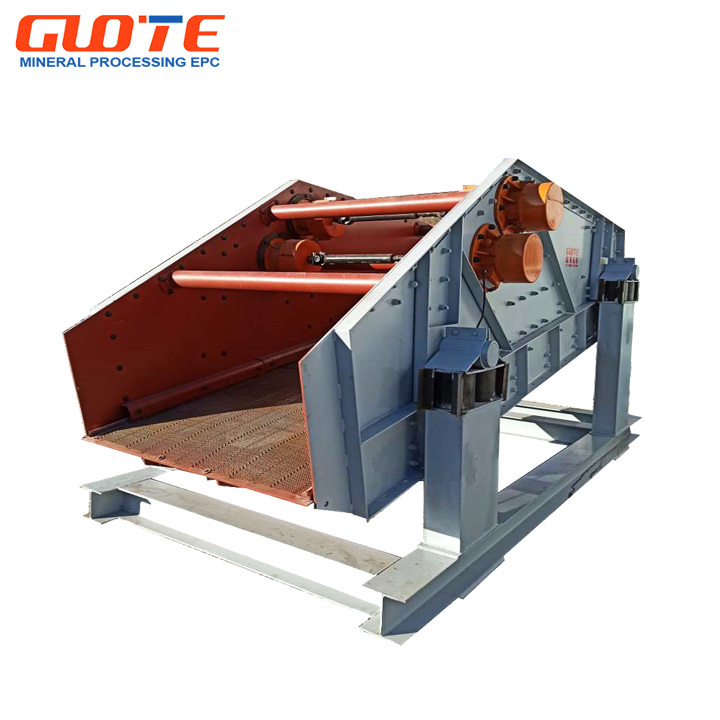
A dewatering screen is a type of vibrating screen that is specifically designed to separate water from solid materials. This is achieved by utilizing a combination of vibration and gravity to facilitate the drainage of water while retaining the solids. The screens are engineered with specific mesh sizes that determine the size of particles retained, making them suitable for various applications, including mining, construction, and recycling industries.
The operation of a dewatering screen is relatively straightforward. Materials are fed onto the screen, where they are vibrated at a high frequency. This vibration causes the water to seep through the mesh, while the solids remain on the surface. The efficiency of the dewatering process is influenced by factors such as the angle of the screen, the amplitude of vibration, and the mesh size. In China, manufacturers are continually innovating to enhance these parameters, thus improving the performance of their dewatering screens.
One of the key benefits of using dewatering screens in material processing is the significant reduction in moisture content of the processed materials. This is particularly important in industries where the quality and usability of the final product are critical. For example, in the mining sector, lower moisture levels can lead to improved handling and transportation of materials, reducing costs and enhancing operational efficiency.
Moreover, dewatering screens contribute to environmental sustainability. By efficiently separating water from materials, these screens minimize waste and promote the recycling of resources. In an era where environmental concerns are paramount, the adoption of technology that supports sustainable practices is becoming increasingly essential for manufacturers.
In conclusion, China dewatering screens are indispensable tools in the manufacturing and processing industries. Their ability to effectively remove excess water from materials not only enhances operational efficiency but also promotes sustainable practices. As industries in China continue to evolve, the importance of such technologies will only increase, making it essential for manufacturers to stay informed about advancements in dewatering screen technology and their applications. Embracing these innovations will ensure that businesses remain competitive and environmentally responsible in today’s dynamic market landscape.
A dewatering screen is a type of vibrating screen that is specifically designed to separate water from solid materials. This is achieved by utilizing a combination of vibration and gravity to facilitate the drainage of water while retaining the solids. The screens are engineered with specific mesh sizes that determine the size of particles retained, making them suitable for various applications, including mining, construction, and recycling industries.
The operation of a dewatering screen is relatively straightforward. Materials are fed onto the screen, where they are vibrated at a high frequency. This vibration causes the water to seep through the mesh, while the solids remain on the surface. The efficiency of the dewatering process is influenced by factors such as the angle of the screen, the amplitude of vibration, and the mesh size. In China, manufacturers are continually innovating to enhance these parameters, thus improving the performance of their dewatering screens.
One of the key benefits of using dewatering screens in material processing is the significant reduction in moisture content of the processed materials. This is particularly important in industries where the quality and usability of the final product are critical. For example, in the mining sector, lower moisture levels can lead to improved handling and transportation of materials, reducing costs and enhancing operational efficiency.
Moreover, dewatering screens contribute to environmental sustainability. By efficiently separating water from materials, these screens minimize waste and promote the recycling of resources. In an era where environmental concerns are paramount, the adoption of technology that supports sustainable practices is becoming increasingly essential for manufacturers.
In conclusion, China dewatering screens are indispensable tools in the manufacturing and processing industries. Their ability to effectively remove excess water from materials not only enhances operational efficiency but also promotes sustainable practices. As industries in China continue to evolve, the importance of such technologies will only increase, making it essential for manufacturers to stay informed about advancements in dewatering screen technology and their applications. Embracing these innovations will ensure that businesses remain competitive and environmentally responsible in today’s dynamic market landscape.
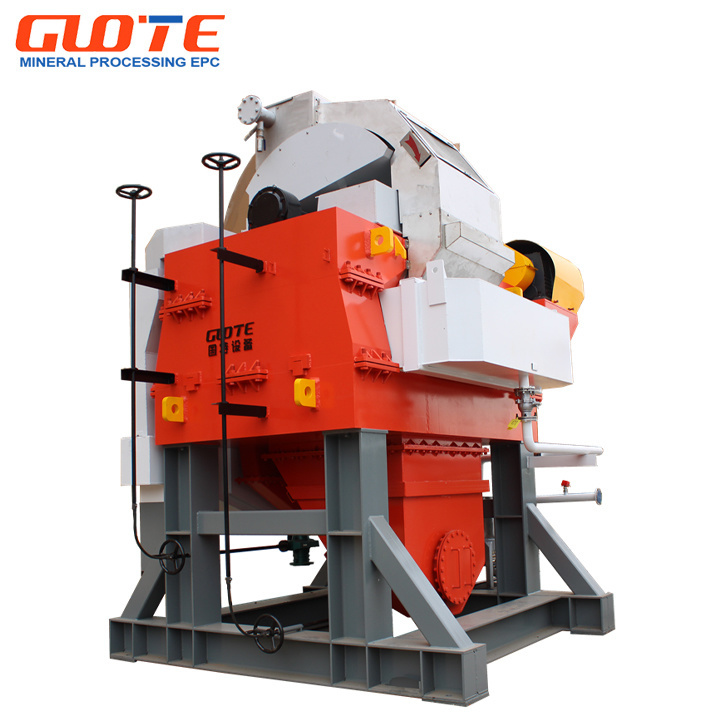
china Dewatering screen
Related Products

Related News