

Enhancing Efficiency: The Latest in Petroleum Fracturing Sand Processing Technology
Enhancing Efficiency: The Latest in Petroleum Fracturing Sand Processing Technology
Table of Contents
- 1. Introduction to Petroleum Fracturing Sand Processing
- 2. Importance of Efficient Sand Processing in Fracturing
- 3. Technological Advancements in Sand Processing
- 4. Key Equipment Used in Sand Processing
- 5. Challenges in Sand Processing and Their Solutions
- 6. Sustainable Practices in Petroleum Fracturing Sand Processing
- 7. The Future of Sand Processing Technology
- 8. Frequently Asked Questions (FAQs)
- 9. Conclusion
1. Introduction to Petroleum Fracturing Sand Processing
Petroleum fracturing, commonly known as fracking, relies heavily on sand as a proppant to keep fractures open within subterranean rock formations. **The efficiency of sand processing directly influences the overall productivity and profitability of fracking operations.** As the demand for oil and gas continues to rise, the industry faces increasing pressure to enhance operational efficiency while reducing environmental impact. Understanding the latest advancements in sand processing technology is critical for industry stakeholders looking to optimize their processes.
2. Importance of Efficient Sand Processing in Fracturing
Efficient sand processing plays a pivotal role in the overall success of hydraulic fracturing operations. Here are several reasons why investing in advanced sand processing technology is crucial:
2.1 Enhanced Production Rates
By utilizing state-of-the-art sand processing technologies, companies can significantly improve their production rates. **Efficient sand processing leads to better control of the fracturing process, allowing for optimal proppant placement and increased oil and gas flow.**
2.2 Cost Reduction
Improved sand processing techniques can result in lower operational costs. **By optimizing the use of raw materials and minimizing waste, companies can achieve significant cost savings.**
2.3 Environmental Compliance
With the growing emphasis on sustainability, efficient sand processing helps companies comply with environmental regulations. **Advanced processing techniques can reduce emissions and minimize the ecological footprint of fracking operations.**
3. Technological Advancements in Sand Processing
Recent advancements have revolutionized the way sand is processed for fracturing applications. These innovations have led to improvements in both efficiency and effectiveness.
3.1 High-Efficiency Separators
High-efficiency separators are designed to effectively separate fine particles from the sand, ensuring that only the highest quality proppant reaches the job site. **These separators use advanced technology to achieve higher yield rates and reduce contamination levels.**
3.2 Automated Sand Processing Systems
Automation in sand processing has gained traction, allowing for real-time monitoring and adjustments. **Automated systems can optimize processing conditions, leading to consistent product quality and minimizing human error.**
3.3 Advanced Screening Technologies
Innovative screening technologies enable better segregation of sand particles by size, ensuring that the right type of sand is used for specific fracturing applications. **This precision improves the effectiveness of the fracturing process.**
4. Key Equipment Used in Sand Processing
Certain key pieces of equipment play a vital role in the sand processing workflow. Understanding these tools can provide insights into optimizing the process.
4.1 Vibrating Screens
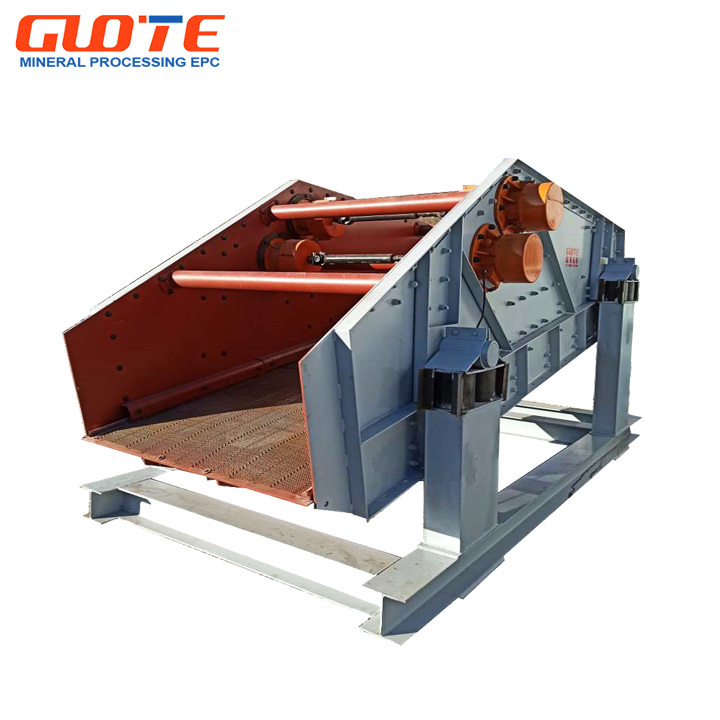
Vibrating screens are essential for grading sand particles by size. **These screens utilize vibrations to separate different sizes efficiently.**
4.2 Cyclones
Cyclones are used for classifying and dewatering sand. **They operate based on centrifugal force, allowing for effective separation of fine and coarse particles.**
4.3 Conveyors
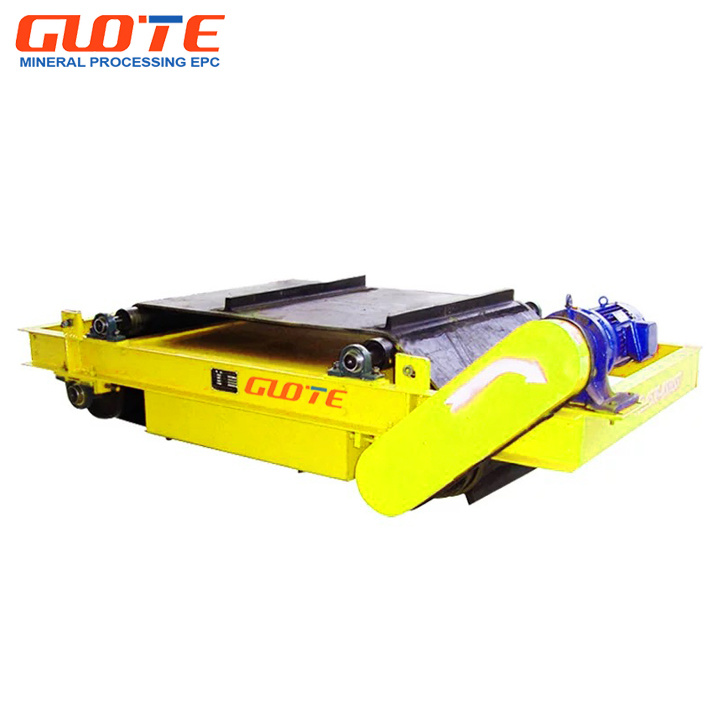
Conveyor systems are critical for transporting sand between different processing stages. **Efficient conveyor design can reduce downtime and improve the flow of materials.**
5. Challenges in Sand Processing and Their Solutions
Despite advancements, several challenges persist in the sand processing arena. Identifying these challenges is the first step in implementing effective solutions.
5.1 Quality Control
Ensuring consistent quality in sand processing remains a challenge. **Implementing stringent quality control measures and utilizing automated systems can enhance product reliability.**
5.2 Environmental Impact
The environmental impact of sand mining and processing can be significant. **Adopting sustainable practices, such as recycling water used in processing, can mitigate negative effects.**
5.3 Equipment Maintenance
Maintenance of processing equipment is crucial for operational efficiency. **Regular maintenance schedules and staff training can prolong equipment life and prevent costly breakdowns.**
6. Sustainable Practices in Petroleum Fracturing Sand Processing
Sustainability is a major focus in the oil and gas industry. Implementing eco-friendly practices in sand processing can help reduce overall environmental impact.
6.1 Water Recycling Systems
The introduction of water recycling systems in sand processing minimizes water usage and reduces the burden on local water sources. **These systems not only improve sustainability but also lower operational costs.**
6.2 Energy Efficiency Measures
By utilizing energy-efficient equipment, companies can significantly reduce their carbon footprint. **Investing in energy-efficient technologies can lead to substantial savings over time.**
6.3 Reclaimed Sand Utilization
Using reclaimed sand from previous projects can reduce the need for new raw materials. **This practice not only conserves resources but also cuts down on waste generation.**
7. The Future of Sand Processing Technology
As the industry evolves, the future of sand processing technology looks promising. Continuous research and development are expected to drive further innovations.
7.1 AI and Machine Learning
Artificial intelligence and machine learning technologies are poised to revolutionize sand processing. **These technologies can help predict equipment failures, optimize processing conditions, and enhance overall efficiency.**
7.2 Enhanced Material Science
Advancements in material science may lead to the development of new types of proppants that offer superior performance characteristics. **Research into lightweight or biodegradable proppants could transform fracturing operations.**
7.3 Integration of IoT
The integration of the Internet of Things (IoT) in sand processing can provide real-time data analytics. **This connectivity enables operators to make informed decisions and improve operational efficiency.**
8. Frequently Asked Questions (FAQs)
8.1 What is petroleum fracturing sand processing?
Petroleum fracturing sand processing involves the preparation and separation of sand used as a proppant in hydraulic fracturing operations. This ensures the sand is of suitable quality and size for optimal performance.
8.2 Why is efficient sand processing important?
Efficient sand processing is crucial as it directly affects production rates, operational costs, and environmental compliance in oil and gas extraction.
8.3 What are the latest technologies in sand processing?
Recent advancements include high-efficiency separators, automated processing systems, and advanced screening technologies that enhance quality and efficiency.
8.4 How does sustainability play a role in sand processing?
Sustainability is addressed through practices such as water recycling, energy-efficient technologies, and the use of reclaimed sand, which minimize environmental impact.
8.5 What challenges does sand processing face?
Challenges include maintaining quality control, managing environmental impacts, and ensuring effective equipment maintenance.
9. Conclusion
In conclusion, the latest advancements in petroleum fracturing sand processing technology are reshaping the landscape of the oil and gas industry. **By adopting innovative practices and investing in cutting-edge equipment, companies can enhance efficiency, reduce costs, and comply with environmental regulations.** The future of sand processing looks bright, with technological advancements poised to drive further improvements in productivity and sustainability. Embracing these changes will be essential for industry stakeholders aiming to thrive in a competitive market.
newest Petroleum fracturing sand processing line
Related Products

Related News