
Comprehensive Guide to Screening Equipment: Types and Industrial Applications
Screening Equipment Explained: Types and Their Industrial Applications
Table of Contents
- 1. Introduction to Screening Equipment
- 2. Importance of Screening Equipment in Manufacturing
- 3. Types of Screening Equipment
- 4. Industrial Applications of Screening Equipment
- 5. Choosing the Right Screening Equipment
- 6. Maintenance Best Practices for Screening Equipment
- 7. The Future of Screening Equipment Technology
- 8. Frequently Asked Questions
- 9. Conclusion
1. Introduction to Screening Equipment
Screening equipment plays a crucial role in various industries by separating materials based on size, shape, and density. Understanding the nuances of different screening machines is essential for optimizing production processes and ensuring high-quality outputs. In this article, we delve into the myriad types of screening equipment, their operational mechanisms, and the diverse applications they serve.
2. Importance of Screening Equipment in Manufacturing
The significance of screening equipment cannot be overstated. From enhancing product quality to improving efficiency, these machines are integral to manufacturing operations. They allow for the effective separation of materials, ensuring that only the desired sizes reach the next stage of production. This not only reduces waste but also minimizes processing times, ultimately leading to cost savings and increased profitability.
3. Types of Screening Equipment
Understanding the different types of screening equipment is vital for selecting the right machine for your needs. Below, we explore the most commonly used types of screening equipment in industrial applications.
3.1 Vibrating Screens
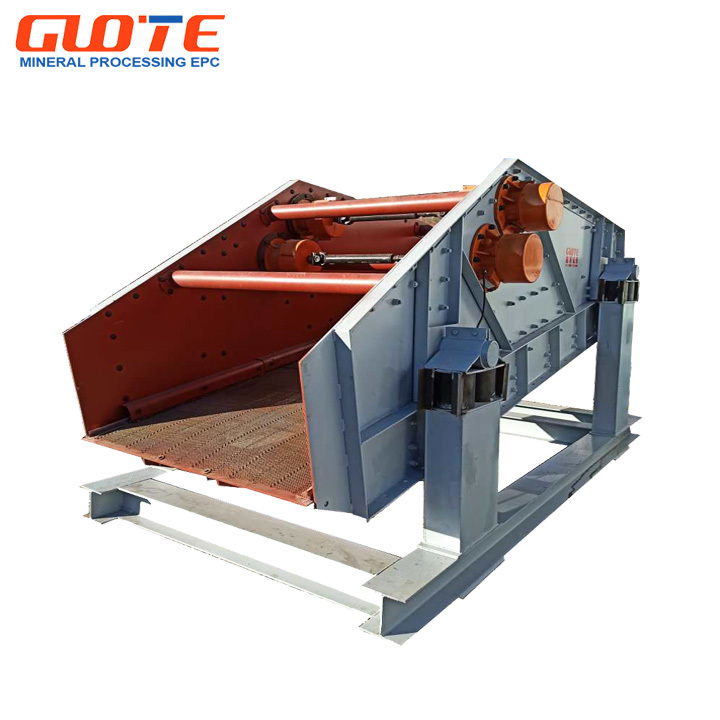
Vibrating screens are among the most widely used types of screening equipment. They operate by utilizing a motor to create vibration, which moves the materials across the screen surface. This movement allows for an effective separation of materials based on size. Vibrating screens come in various configurations, including linear and circular motions, each offering unique advantages depending on the application.
3.2 Static Screens
Static screens, as the name suggests, do not utilize any mechanical motion to process materials. Instead, they rely on gravity and the natural flow of materials to accomplish separation. As a result, static screens are ideal for applications where minimal maintenance and low power consumption are desired. However, they may not be as efficient in processing large volumes of materials compared to vibrating screens.
3.3 Rotary Screens
Rotary screens utilize a cylindrical structure that rotates to separate materials. These screens are particularly effective for fine materials, as the rotation allows for thorough separation while preventing clogging. Commonly found in the mining and recycling industries, rotary screens can be customized in terms of drum diameter and length to accommodate specific material types and processing requirements.
3.4 Trommel Screens
Trommel screens are similar to rotary screens but are designed with a larger diameter and longer length. These screens are particularly effective for separating materials in the recycling process, as they can efficiently remove contaminants from recyclable materials. The rotating action of trommel screens helps to ensure that materials are adequately sorted while minimizing damage to fragile items.
3.5 Air Screens
Air screens utilize air flow to classify materials based on their weight and size. They are ideal for applications where material purity is critical, such as in the agricultural industry for seed separation and cleaning. By leveraging the difference in weight and size, air screens effectively remove unwanted materials like dust and debris, ensuring a high-quality final product.
4. Industrial Applications of Screening Equipment
The versatility of screening equipment allows it to be applied across several industries. Below, we discuss key applications of screening equipment in various sectors.
4.1 Mining Industry
In the mining industry, screening equipment is essential for separating valuable minerals from waste materials. Vibrating screens and trommel screens are commonly employed to ensure that only the desired particle sizes are processed further. This not only enhances the efficiency of mineral extraction but also helps in separating harmful substances from the final product.
4.2 Construction Industry
The construction industry relies heavily on screening equipment for managing aggregates and ensuring the quality of raw materials. Static and vibrating screens are typically utilized to separate sand, gravel, and crushed stone into specific sizes required for various construction applications. This precision in material sizing is critical for maintaining the integrity of construction projects.
4.3 Recycling Industry
Screening equipment plays a vital role in the recycling process by effectively sorting recyclable materials from contaminants. Trommel screens and air screens are particularly popular in this sector, as they can efficiently handle mixed recyclables and ensure that only clean materials are processed. This not only improves recycling rates but also enhances the quality of recycled materials.
4.4 Agriculture Industry
In agriculture, screening equipment is used for seed cleaning and grading. Air screens are particularly effective in this application, as they can separate seeds from dust and debris, ensuring high-quality planting materials. Additionally, vibrating screens may be utilized to separate grains based on size, optimizing harvesting efficiency.
5. Choosing the Right Screening Equipment
Selecting the appropriate screening equipment for your industrial needs requires a thorough understanding of both the application and the materials being processed. Considerations include the type of material, desired particle size, throughput requirements, and environmental conditions. Collaborating with screening equipment manufacturers can provide valuable insights and help in making an informed decision.
6. Maintenance Best Practices for Screening Equipment
Proper maintenance of screening equipment is crucial for ensuring optimal performance and longevity. Regular inspections should be conducted to identify potential issues such as wear and tear, misalignment, or abnormal vibrations. Additionally, keeping screens clean and free from clogs will enhance separation efficiency. Implementing a scheduled maintenance program can significantly reduce downtime and repair costs.
7. The Future of Screening Equipment Technology
As industries continue to evolve, so does the technology behind screening equipment. Innovations such as automation, artificial intelligence, and advanced materials are set to revolutionize the screening process. These advancements will enhance efficiency, accuracy, and sustainability, paving the way for a more streamlined production process across various industries.
8. Frequently Asked Questions
1. What is the primary purpose of screening equipment?
The primary purpose of screening equipment is to separate materials based on size, shape, and density, ensuring that only the desired materials proceed to the next stage of production.
2. How do I choose the right type of screening equipment?
Choosing the right screening equipment involves considering factors such as the type of material, desired particle size, production volume, and environmental conditions. Consulting with manufacturers can also provide valuable insights.
3. What maintenance practices are essential for screening equipment?
Essential maintenance practices include regular inspections, cleaning of screens to prevent clogging, lubrication of moving parts, and timely repairs to address wear and tear.
4. Can screening equipment be used in the recycling industry?
Yes, screening equipment is widely used in the recycling industry to separate recyclable materials from contaminants, enhancing the recycling process.
5. What advancements can we expect in screening technology?
Future advancements in screening technology may include automation, artificial intelligence, and the use of advanced materials to improve efficiency, accuracy, and sustainability.
9. Conclusion
Screening equipment is an indispensable component of many industrial processes, offering significant advantages in material separation and processing efficiency. By understanding the various types of screening equipment and their applications, businesses can optimize their production processes and improve product quality. As technology continues to evolve, staying informed about advancements in screening equipment will be key to maintaining a competitive edge in the market. Whether in mining, construction, recycling, or agriculture, the right screening solutions can drive operational success and sustainability.
Screening equipment
Related Products

Related News