
Understanding Vibrating Dewatering Screens: The Key to Efficient Material Processing
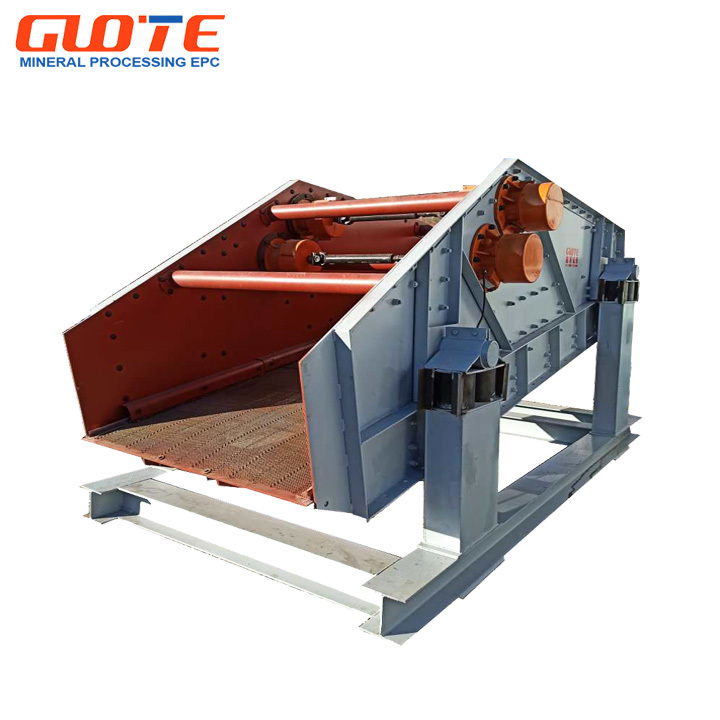
Vibrating dewatering screens are essential equipment in the field of material processing, particularly in sectors such as mining, construction, and waste management. These machines are designed to effectively separate solid particles from liquids, making them invaluable in various applications where moisture removal is crucial.
The principle behind a vibrating dewatering screen revolves around its unique design and operational mechanics. The screen is equipped with a mesh or perforated surface that allows liquid to pass through while retaining solid materials. The vibration mechanism, often powered by electric or hydraulic systems, creates a rapid oscillation that enhances the movement of materials across the screen surface. This vibration facilitates effective drainage, ensuring that the solid materials are not only separated but also sufficiently dried.
One of the significant benefits of using vibrating dewatering screens is their ability to increase productivity. By efficiently separating liquids from solids, these machines minimize the time and effort required for material handling. This is particularly advantageous in industries where the rapid processing of materials is essential to maintaining operational flow and meeting production targets. Additionally, the improved moisture content of the output materials can lead to lower transportation costs and better handling characteristics.
Moreover, vibrating dewatering screens contribute to enhanced product quality. By ensuring that the final output contains minimal moisture, manufacturers can achieve a higher standard of quality in their products. This is especially critical in sectors such as food processing, pharmaceuticals, and materials recycling, where moisture levels can significantly impact product performance and safety.
When considering the implementation of vibrating dewatering screens, it is important to evaluate the specific needs of your operation. Factors such as the type of materials being processed, the desired moisture content, and the throughput capacity are all crucial in selecting the right machine. Additionally, regular maintenance and monitoring of the equipment can ensure optimal performance and longevity.
In conclusion, vibrating dewatering screens play a pivotal role in the manufacturing and processing industries by facilitating efficient material separation and moisture removal. Their unique design and operational capabilities make them indispensable in ensuring product quality and enhancing operational efficiency. By investing in the right dewatering technology, businesses can significantly improve their processing capabilities and stay competitive in an ever-evolving market. Emphasizing the importance of these machines can help companies streamline their operations and achieve better results in their material processing endeavors.
Vibrating Dewatering Screen
Related Products

Related News