

From Ore to Product: Understanding the Steps in Ilmenite Processing
From Ore to Product: Understanding the Steps in Ilmenite Processing
Ilmenite, a significant source of titanium, is crucial in various industries, most notably in the production of titanium dioxide, a widely used white pigment. Understanding the complete journey from raw ore to finished product is essential for professionals in the mining and manufacturing sectors. This article aims to provide an in-depth exploration of the steps involved in ilmenite processing, emphasizing key techniques, equipment, and industry best practices.
Table of Contents
- Introduction to Ilmenite
- The Extraction Process of Ilmenite
- Crushing and Grinding
- Separation Techniques for Ilmenite
- The Smelting Process of Ilmenite
- Purification of Ilmenite
- Final Products and Their Applications
- Environmental Impact of Ilmenite Processing
- The Future of Ilmenite Processing
- Frequently Asked Questions
Introduction to Ilmenite
Ilmenite, a titanium-iron oxide mineral (FeTiO3), is one of the primary sources of titanium. It is extracted from heavy mineral sands and is commonly found in sedimentary deposits. Given its importance in various industrial applications, understanding the processing steps from ore to product is vital.
Importance of Ilmenite
Ilmenite is predominantly used in the production of titanium dioxide (TiO2), which is essential in manufacturing paints, plastics, and paper. Additionally, titanium is valued for its strength-to-weight ratio and corrosion resistance, making it a sought-after material in aerospace, automotive, and medical applications.
The Extraction Process of Ilmenite
The extraction of ilmenite involves several stages, starting from exploration to the actual mining process. Each step plays a critical role in determining the quality and quantity of the ore extracted.
Exploration and Site Assessment
The first step in ilmenite extraction is thorough exploration and site assessment. Geologists employ various methods, including geological mapping, geophysical surveys, and sampling, to identify potential ilmenite deposits. Understanding the mineralogy and geographic characteristics of the site is crucial for effective extraction planning.
Mining Techniques
Ilmenite is typically mined using two primary methods: open-pit mining and dredging. Open-pit mining involves removing overburden to access ilmenite deposits, while dredging is used for underwater deposits. The choice of mining method depends on the location, depth, and nature of the deposit.
Crushing and Grinding
Once extracted, ilmenite ore undergoes crushing and grinding to liberate the valuable minerals from the surrounding matrix. This step is critical in preparing the ore for subsequent processing techniques.
Crushing Techniques
The crushing process typically involves several stages, using jaw crushers and cone crushers to break down large ore chunks into smaller, manageable sizes. The goal is to achieve a uniform particle size to facilitate efficient grinding.
Grinding Processes
Grinding is often performed in ball mills or vertical mills, where the crushed ore is further reduced to a fine powder. This increases the surface area of the ilmenite, improving the efficiency of the separation processes that follow.
Separation Techniques for Ilmenite
After grinding, the next critical step is separating ilmenite from other minerals and impurities. Various separation techniques can be employed, depending on the ore composition and desired purity levels.
Magnetic Separation
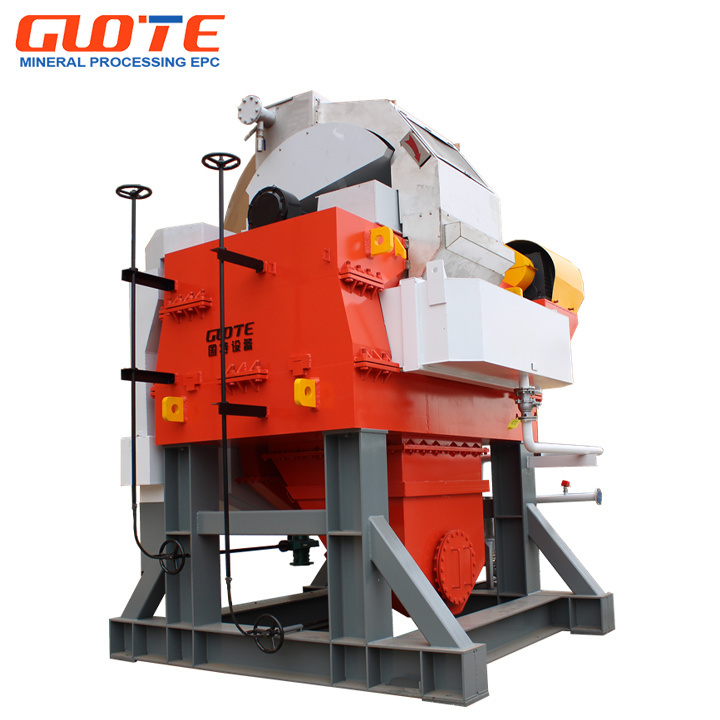
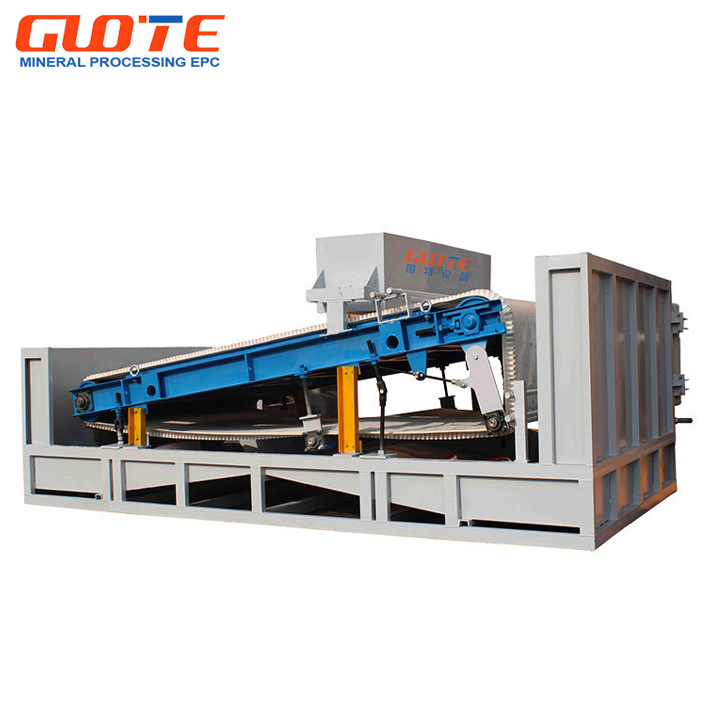
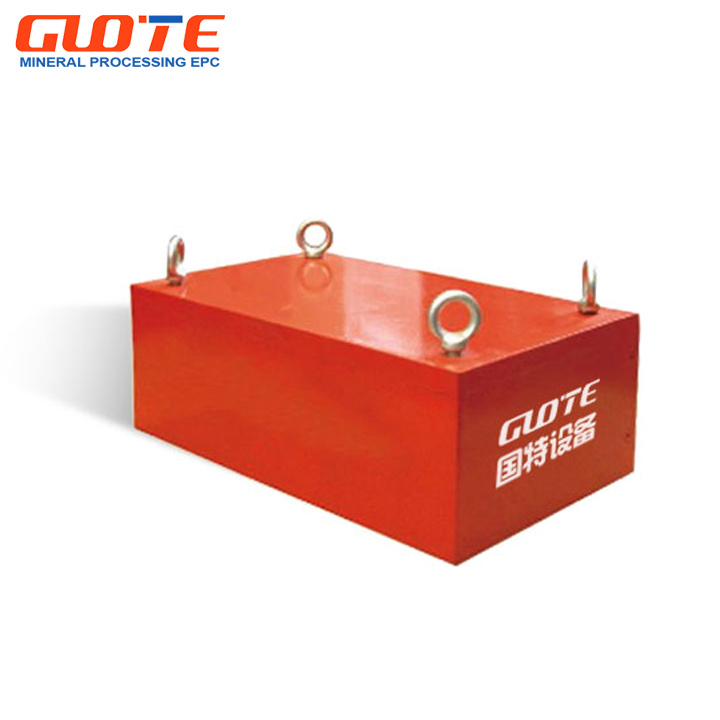
Magnetic separation takes advantage of the magnetic properties of ilmenite. Using powerful magnets, ilmenite can be separated from non-magnetic materials. This method is particularly effective when dealing with heavy mineral sands.
Gravity Separation
Gravity separation exploits differences in mineral density. Techniques such as shaking tables or spirals can be used to separate ilmenite from other materials based on their specific gravities.
The Smelting Process of Ilmenite
Once ilmenite is adequately separated, it undergoes smelting to convert it into titanium dioxide or titanium metal. The smelting process involves high temperatures and specific chemical reactions that alter the ore’s chemical structure.
Reduction of Ilmenite
During the smelting process, ilmenite is typically reduced using carbon or a reducing agent in an electric arc furnace. The reduction process transforms ilmenite into titanium dioxide and iron, which can further be processed or sold.
Production of Titanium Dioxide
The titanium dioxide produced from ilmenite can be further refined through various processes, including sulfate and chloride methods, to enhance its purity and suitability for commercial applications.
Purification of Ilmenite
After smelting, purification is essential to remove any remaining impurities. Various chemical methods may be employed to achieve high purity levels of titanium dioxide.
Chemical Purification
Chemical purification often involves leaching with acids or bases to dissolve impurities. This process enhances the quality of the final product, making it suitable for high-end applications.
Final Products and Their Applications
The final products derived from ilmenite processing have a wide range of applications across various industries.
Titanium Dioxide Applications
Titanium dioxide is a versatile compound used primarily in the production of pigments for paints, coatings, and plastics. Its non-toxic nature and excellent opacity make it a preferred choice in the food and cosmetics industries as well.
Titanium Metal Applications
Titanium metal, known for its strength and corrosion resistance, finds extensive use in aerospace, medical implants, and military applications. The ability to withstand extreme conditions makes it invaluable in these sectors.
Environmental Impact of Ilmenite Processing
The ilmenite processing industry must address its environmental impact. From habitat disruption during mining to potential pollution from chemical processes, it is crucial to adopt sustainable practices.
Sustainable Mining Practices
Implementing sustainable mining practices involves minimizing land disturbance, utilizing water efficiently, and restoring mined areas. Companies are increasingly adopting technologies that reduce waste and emissions, ensuring a balance between production and environmental preservation.
The Future of Ilmenite Processing
The future of ilmenite processing looks promising, especially with advancements in technology and growing demand for titanium products. Innovations in extraction and processing methods can lead to more efficient operations and reduced environmental impact.
Technological Innovations
Emerging technologies such as automation and artificial intelligence are set to revolutionize the ilmenite processing industry. These advancements can enhance production efficiency, improve safety, and reduce costs, positioning companies for future growth.
Frequently Asked Questions
1. What is ilmenite and where is it found?
Ilmenite is a titanium-iron oxide mineral commonly found in heavy mineral sands. Major deposits are located in countries like Australia, South Africa, and Canada.
2. How is ilmenite processed into titanium dioxide?
Ilmenite is processed through crushing, grinding, separation, and smelting. The resulting titanium dioxide can undergo further purification to enhance its quality for various applications.
3. What are the environmental concerns associated with ilmenite mining?
Environmental concerns include habitat disruption, water pollution, and waste management. Sustainable practices are essential to mitigate these impacts.
4. What are the main applications of titanium dioxide?
Titanium dioxide is widely used in paints, coatings, plastics, and cosmetics due to its excellent opacity and non-toxic properties.
5. What advancements are being made in ilmenite processing?
Innovations in automation, AI, and sustainable practices are shaping the future of ilmenite processing, leading to more efficient and environmentally friendly operations.
Conclusion
Understanding the steps involved in ilmenite processing is essential for industry professionals and stakeholders. From extraction to purification, each phase plays a crucial role in producing valuable titanium products. As the demand for titanium continues to grow, advancements in processing technology and sustainable practices will be vital in ensuring the industry's future success. By adhering to best practices and embracing innovation, the ilmenite processing sector can thrive while minimizing its environmental footprint.
Ilmenite processing line
Previous Page
Related Products

Related News