

Transforming Your Production: The Advantages of a Wet Type Silica Sand Processing Line
Transforming Your Production: The Advantages of a Wet Type Silica Sand Processing Line
Table of Contents
- 1. Introduction to Wet Type Silica Sand Processing
- 2. Key Benefits of Wet Type Processing Lines
- 3. Components of a Wet Type Silica Sand Processing Line
- 4. Operational Best Practices for Wet Processing Lines
- 5. Implementing a Wet Type Silica Sand Processing Line
- 6. Future Trends in Silica Sand Processing
- 7. Conclusion
- 8. Frequently Asked Questions
1. Introduction to Wet Type Silica Sand Processing
In the competitive landscape of manufacturing, companies are constantly seeking ways to enhance their production processes. One significant advancement in this realm is the wet type silica sand processing line. This innovative technology revolutionizes how silica sand is processed, improving not only production efficiency but also the quality of the final product. Understanding the mechanics and advantages of a wet type silica sand processing line is essential for manufacturers aiming to stay ahead of the curve.
2. Key Benefits of Wet Type Processing Lines
Wet type silica sand processing lines offer several advantages that can significantly impact production outcomes.
2.1 Enhanced Production Efficiency
Implementing a wet type processing line can drastically reduce processing times. The wet method allows for the simultaneous washing and refining of silica sand, minimizing delays typically associated with dry processing techniques. This efficiency translates to higher throughput, enabling manufacturers to meet increasing demand without compromising product quality.
2.2 Improved Product Quality
One of the most critical advantages of wet processing is the superior quality of the final product. The wet method effectively removes impurities and contaminants from silica sand, resulting in a purer product that meets stringent industry standards. This purity is crucial for applications in construction, glass-making, and other industries where quality directly impacts performance.
2.3 Reduced Environmental Impact
Sustainability is a growing concern for manufacturers, and wet type silica sand processing lines align well with environmentally-friendly practices. The wet method generates less dust, significantly reducing air pollution and enhancing workplace safety. Furthermore, the recycling of water used in the processing can lead to significant conservation of resources, minimizing the overall environmental footprint of manufacturing operations.
3. Components of a Wet Type Silica Sand Processing Line
To fully grasp the advantages of wet type processing, it's essential to understand the components that make up these systems.
3.1 Washing Equipment
Washing equipment is at the heart of a wet type silica sand processing line. This machinery is designed to remove impurities, clay, and silt from the sand, ensuring a high-quality end product. Various types of washers—such as log washers and screw washers—are tailored for specific processing needs.
3.2 Separation Systems
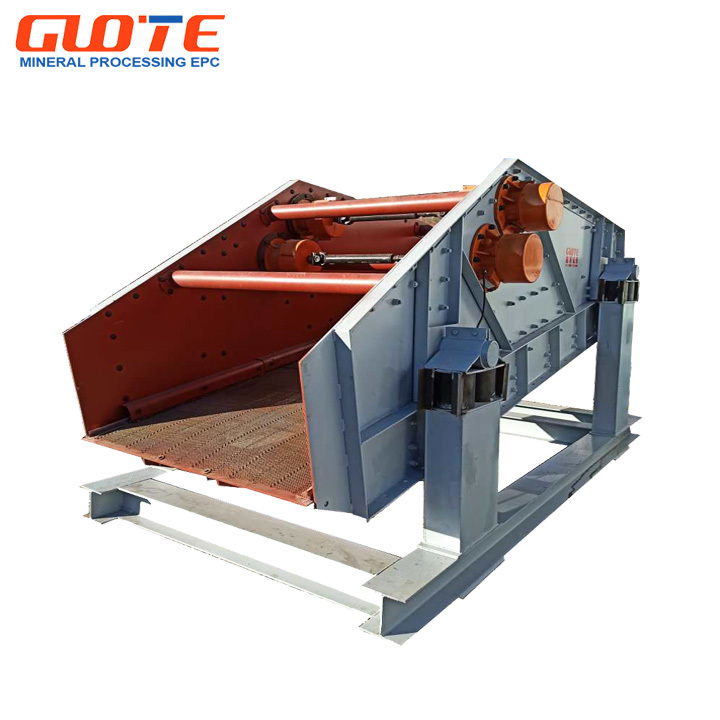
Separation systems are crucial for classifying sand based on particle size and density. These systems, which may include hydrocyclones and vibrating screens, help streamline the processing line, allowing for effective sorting and recovery of high-value fractions of silica sand.
3.3 Filtration Units
Filtration units play a vital role in ensuring that the water used in the wet processing line is clean and reusable. These units remove any residual particulates from the water, allowing for a closed-loop system that reduces waste and conserves resources.
4. Operational Best Practices for Wet Processing Lines
Maximizing the benefits of a wet type silica sand processing line requires adherence to best practices. Here are a few strategies to consider:
1. **Regular Maintenance**: Regularly scheduled maintenance of equipment is essential to ensure optimal performance and longevity. This includes routine checks on washing and filtration systems.
2. **Monitor Water Quality**: Maintaining high water quality is critical for effective processing. Implementing continuous monitoring systems can help identify issues before they affect production.
3. **Optimize Process Parameters**: Fine-tune operational parameters—such as flow rates and pressure levels—to achieve the best results. Utilize data analytics to inform decisions and adjustments.
5. Implementing a Wet Type Silica Sand Processing Line
Transitioning to a wet type processing line involves careful planning and execution.
5.1 Planning Your Implementation
Before implementing a wet processing line, conduct a thorough assessment of your current operations. Consider factors such as space, budget, and the specific requirements of your product. Collaborate with equipment suppliers to design a system tailored to your needs.
5.2 Employee Training and Safety
Investing in employee training is critical for safe and efficient operation. Ensure that all personnel are familiar with the equipment and understand safety protocols. Regular training sessions can keep everyone updated on best practices and new technologies.
6. Future Trends in Silica Sand Processing
The silica sand processing industry is evolving, with several trends poised to shape its future:
1. **Automation and Smart Technology**: Incorporating automation and smart technology into processing lines can enhance efficiency and reduce human error. Expect to see more automated washing and separation equipment in the coming years.
2. **Sustainability Initiatives**: Manufacturers are increasingly focusing on sustainable practices. Innovations aimed at reducing water usage and energy consumption will become more prevalent.
3. **Advanced Materials**: As industries demand higher-quality materials, the development of advanced processing techniques will be crucial in meeting these requirements.
7. Conclusion
Integrating a wet type silica sand processing line into your manufacturing operations offers numerous advantages, including enhanced efficiency, improved product quality, and reduced environmental impact. By understanding the key components of these systems and adhering to best practices, manufacturers can significantly elevate their production capabilities. As the industry continues to evolve, staying informed about trends and innovations will be essential for maintaining a competitive edge.
8. Frequently Asked Questions
What is a wet type silica sand processing line?
A wet type silica sand processing line utilizes water to wash, separate, and refine silica sand, resulting in a higher quality product with fewer impurities.
How does wet processing improve product quality?
Wet processing effectively removes contaminants and impurities, leading to a purer final product that meets strict industry standards.
What are the environmental benefits of wet type processing?
Wet processing reduces dust emissions, conserves water through recycling, and minimizes overall environmental impact compared to dry processing methods.
What equipment is essential for a wet type silica sand processing line?
Key components include washing equipment, separation systems, and filtration units, each playing a crucial role in the processing line.
How can I ensure the effective implementation of a wet processing line?
Planning your implementation carefully, investing in employee training, and adhering to operational best practices can optimize the effectiveness of a wet type silica sand processing line.
Wet type silica sand processing line
Related Products

Related News