

Why You Should Consider a Linear Vibrating Screen for Your Next Project
Why You Should Consider a Linear Vibrating Screen for Your Next Project
Introduction to Linear Vibrating Screens
Linear vibrating screens are essential equipment in various industries, particularly in the manufacturing and processing sectors. They are designed to efficiently separate and grade materials, making them an ideal choice for many different applications. By utilizing advanced technology, these screens provide enhanced performance and reliability, facilitating a smooth workflow in your operations.
The Mechanics Behind Linear Vibrating Screens
Understanding how linear vibrating screens function is crucial for appreciating their role in manufacturing processes. These machines rely on dual vibrating motors which create a linear motion that effectively separates materials based on size and weight. The adjustable amplitude and frequency allow operators to customize the screening process, ensuring optimal efficiency and accuracy.
Key Features of Linear Vibrating Screens
Some of the defining features of linear vibrating screens include:
- High Efficiency: Capable of processing large volumes of materials rapidly.
- Customizable Settings: Operators can adjust vibration amplitude, frequency, and inclination angle for specific needs.
- Durable Construction: Built with high-quality materials to withstand heavy-duty use in challenging environments.
- Low Maintenance: Designed for ease of use, requiring minimal upkeep and repair.
- Versatility: Suitable for a wide range of materials, including powders, granules, and liquids.
Advantages of Using Linear Vibrating Screens
Incorporating a linear vibrating screen into your operations can yield significant benefits. Here are some critical advantages:
1. Enhanced Material Separation
Linear vibrating screens provide precise separation of materials, ensuring that only products meeting specific criteria proceed to subsequent processes. This enhanced material grading improves product quality and reduces waste.
2. Increased Production Efficiency
With high processing speeds and the ability to handle large volumes, linear vibrating screens significantly boost production efficiency. This efficiency leads to quicker turnaround times and improved profitability.
3. Customizable Operations
The flexibility of linear vibrating screens allows companies to adapt their operations to meet varying demands. This adaptability is crucial in industries where product specifications frequently change.
4. Improved Longevity and Reliability
Constructed from durable materials, these screens are designed to endure the rigors of continuous operation. Their resilience translates into lower operational costs, as they require fewer replacements and repairs over time.
5. Minimal Noise and Vibration
Linear vibrating screens operate with relatively low noise levels, making them suitable for environments where sound is a concern. Additionally, their design minimizes unwanted vibrations, ensuring a stable working environment.
Applications of Linear Vibrating Screens
Linear vibrating screens are used in a variety of applications across multiple industries. Some notable uses include:
1. Mining and Quarrying
In the mining industry, linear vibrating screens separate minerals and metals from unwanted materials, ensuring the highest quality output for further processing.
2. Food and Beverage Industry
These screens are critical in the food and beverage sector for grading grains, separating contaminants, and ensuring product safety and quality.
3. Chemical Industry
In chemical processing, linear vibrating screens help in the classification of powders, granules, and liquids, which is vital for achieving the desired product characteristics.
4. Recycling
Linear vibrating screens play a significant role in recycling operations by efficiently sorting materials such as plastics, metals, and paper, enhancing the recovery of valuable resources.
5. Construction
These screens are used to separate aggregates in construction materials, ensuring that only the desired size of gravel, sand, or other materials is used in projects.
Why Choose a Linear Vibrating Screen Over Other Screening Methods?
When considering different types of screening machines, linear vibrating screens stand out for several reasons:
1. Efficiency Compared to Circular Screens
While circular screens are commonly used, linear vibrating screens often offer faster processing speeds and more effective material separation.
2. Cost-Effectiveness
The lower maintenance requirements and longer lifespan of linear vibrating screens contribute to their cost-effectiveness, making them a smart investment for businesses looking to optimize their operations.
3. Space-Saving Design
Linear vibrating screens typically have a compact design, allowing them to fit into constrained spaces without compromising performance.
Installation and Maintenance of Linear Vibrating Screens
Installing linear vibrating screens requires careful consideration to ensure optimal operation. Here are some essential steps to follow:
1. Proper Site Assessment
Before installation, assess the site to determine the best location for the vibrating screen, considering factors such as material flow, access points, and space constraints.
2. Correct Setup
Ensure that the vibrating screen is installed level and securely mounted to minimize vibrations and maximize performance. Follow the manufacturer's guidelines for installation to achieve the best results.
3. Regular Maintenance Checks
Routine maintenance is essential for keeping linear vibrating screens in peak condition. Regular inspections should include checking for wear and tear on components, ensuring the motors operate correctly, and cleaning the screen to prevent clogging.
Frequently Asked Questions
1. What materials can be processed with a linear vibrating screen?
Linear vibrating screens can process a wide variety of materials, including powders, granules, and liquids across different industries.
2. How do I determine the right size of a linear vibrating screen for my application?
The correct size depends on the volume of material you need to process and the specific requirements of your application. Consult with manufacturers to find the ideal size.
3. Are linear vibrating screens energy-efficient?
Yes, linear vibrating screens are designed to be energy-efficient, which helps reduce operational costs.
4. How often should I perform maintenance on my linear vibrating screen?
Regular maintenance checks should be conducted at least once a month, with more frequent inspections recommended for heavy-use applications.
5. Can I customize the vibration frequency and amplitude on a linear vibrating screen?
Absolutely! Linear vibrating screens allow operators to adjust both the vibration amplitude and frequency, providing flexibility for different material types and processing requirements.
Conclusion
In summary, linear vibrating screens are invaluable tools in the manufacturing and processing industry. Their efficiency, adaptability, and reliability make them an excellent choice for a variety of applications. By understanding their mechanics and advantages, manufacturers can make informed decisions about integrating these machines into their operations, leading to increased productivity and improved quality. If you're considering your next project, we highly recommend exploring the benefits of linear vibrating screens.
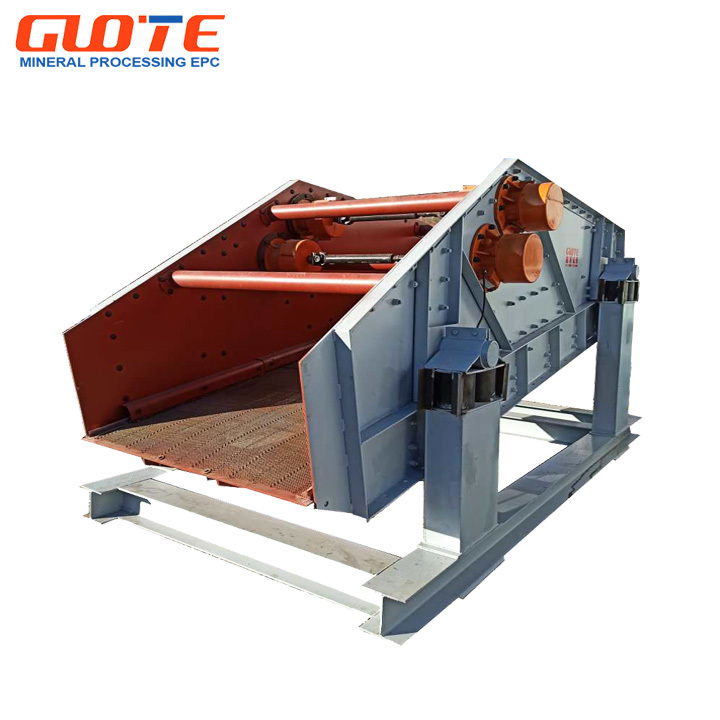
Linear vibrating screen
Related Products

Related News