

Understanding Heavy-Duty Vibrating Screens: A Comprehensive Guide for Manufacturing and Processing
Heavy-duty vibrating screens are pivotal in the field of manufacturing and processing machinery, specifically for crushing and sorting applications. Designed to withstand the rigorous demands of heavy material handling, these screens play a crucial role in separating and sorting various materials based on size, weight, and composition.
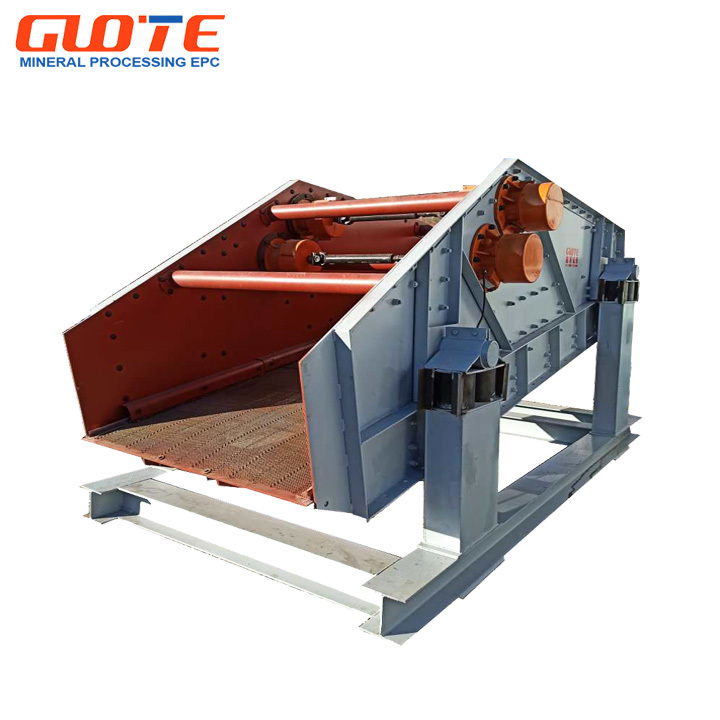
At their core, heavy-duty vibrating screens utilize a series of vibrating mechanisms to ensure optimal material flow and separation. The vibrating action is generated by powerful motors, which induce a consistent and controlled motion across the screen surface. This motion allows materials to move freely, enabling efficient sorting as they travel across the screen. The design of these screens often includes multiple layers, with different mesh sizes that allow for the separation of materials into various grades, improving processing accuracy.
One of the key advantages of heavy-duty vibrating screens is their durability. Constructed from robust materials, they can handle large volumes of abrasive and heavy materials, making them ideal for industries such as mining, recycling, and aggregate processing. Their ability to operate under harsh conditions without compromising performance is a significant factor in their widespread adoption.
Another vital aspect of these screens is their versatility. Heavy-duty vibrating screens can be customized to suit specific operational requirements. This includes adjusting the screen size, slope angle, and vibration frequency to optimize performance based on the type of material being processed. This adaptability ensures that businesses can achieve maximum efficiency and productivity in their sorting processes.
Moreover, heavy-duty vibrating screens contribute to enhanced product quality. By effectively separating unwanted materials and ensuring that only the desired sizes are processed, these screens help maintain the integrity of the end product. This is particularly important in industries where precision and quality are paramount, such as in the manufacturing of construction materials or food processing.
In addition to their operational benefits, heavy-duty vibrating screens can also lead to cost savings. By improving material handling efficiency and reducing waste, businesses can optimize their resources and minimize operational costs. The long lifespan of these machines further contributes to their economic viability, as they require less frequent replacement compared to less durable alternatives.
In summary, heavy-duty vibrating screens are essential components in the manufacturing and processing sectors. Their robust construction, versatility, and efficiency make them invaluable for any operation requiring reliable material sorting and separation. Understanding their features and benefits can empower businesses to make informed decisions and enhance their operational capabilities.
Heavy-duty vibrating screen
Related Products

Related News