

Understanding Screening Equipment: Essential Insights for Efficient Material Processing
Screening equipment is a vital component in various industries that require the separation and classification of materials. In the manufacturing sector, particularly in the context of crushing and sorting machinery, these devices play an essential role in enhancing the efficiency of material processing. Understanding the operation and advantages of screening equipment can significantly impact production workflows and output quality.
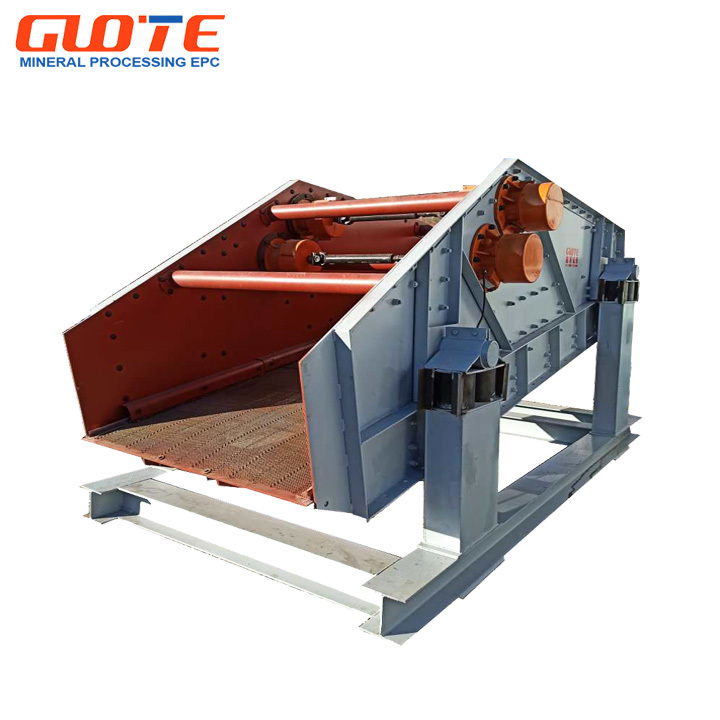
At its core, screening equipment is designed to separate particles based on size, shape, or other physical characteristics. This equipment typically employs a mesh or perforated surface to allow smaller particles to pass through while retaining larger ones. Various types of screening equipment are available, including vibrating screens, drum screens, and flip flow screens, each tailored to specific applications and material types.
One of the primary benefits of utilizing screening equipment is improved product quality. By effectively separating materials, manufacturers can ensure that only the desired particle size is processed further. This not only enhances the final product's quality but also reduces waste, as unwanted materials are removed early in the processing stage. Consequently, businesses can achieve higher yields and minimize the costs associated with reprocessing or disposal.
Moreover, screening equipment helps optimize operational efficiency. For instance, by implementing a well-designed screening system, manufacturers can streamline their production processes. This leads to faster processing times and reduced energy consumption, as equipment operates more smoothly when materials are properly sized and sorted. Additionally, advanced screening technologies can accommodate a wide range of materials, making them versatile tools in different manufacturing settings.
Another critical aspect of screening equipment is maintenance. Regular inspection and upkeep are necessary to ensure optimal performance. Components such as screens and motors may require periodic replacement or adjustment to prevent downtime. Manufacturers can benefit from establishing a maintenance schedule that includes routine checks to identify wear and tear early on, thus prolonging the equipment's lifespan and maintaining efficiency.
In conclusion, screening equipment serves as a cornerstone in the manufacturing and processing sector, particularly in crushing and sorting applications. By understanding its functionality and advantages, manufacturers can enhance product quality, improve operational efficiency, and ensure effective material management. Embracing the right screening technology can lead to significant gains in both productivity and profitability in today's competitive landscape. As the industry continues to evolve, staying informed about advancements in screening equipment remains essential for success.
Screening equipment
Related Products

Related News