
Maximize Efficiency with the Right Dewatering Screen Techniques
Maximize Efficiency with the Right Dewatering Screen Techniques
Table of Contents
- 1. Introduction to Dewatering Screens
- 2. Importance of Dewatering in Manufacturing
- 3. Types of Dewatering Screens
- 4. Techniques for Maximizing Efficiency
- 5. Case Studies of Successful Implementation
- 6. Innovations in Dewatering Technology
- 7. Practical Tips for Optimizing Dewatering Screens
- 8. Frequently Asked Questions (FAQs)
- 9. Conclusion: The Future of Dewatering Screens
1. Introduction to Dewatering Screens
Dewatering screens play a crucial role in the manufacturing and processing industries, particularly in applications involving the separation of liquids and solids. Their primary function is to remove excess water from materials, which not only enhances the quality of the final product but also streamlines operations by reducing the weight and volume of materials that need to be handled, transported, and stored.
2. Importance of Dewatering in Manufacturing
Efficient dewatering is essential for several reasons:
- **Cost Reduction**: Proper dewatering minimizes transportation costs by reducing the weight of materials.
- **Improved Product Quality**: Less moisture in products leads to better storage and handling characteristics.
- **Enhanced Process Efficiency**: Dewatering systems directly impact the overall efficiency of manufacturing processes, making it vital for operations aiming to optimize productivity.
3. Types of Dewatering Screens
Understanding the different types of dewatering screens is crucial for selecting the right equipment for specific applications.
3.1 Linear Dewatering Screens
Linear dewatering screens are commonly used for their simplicity and effectiveness. They operate on a linear motion and are ideal for separating fine particles from liquids. The design allows for a high throughput of materials, making them suitable for large-scale operations.
3.2 Vibrating Dewatering Screens
Vibrating dewatering screens utilize vibration to enhance the separation of solids and liquids. They are effective for materials that are challenging to dewater using linear screens, offering flexibility in various applications.
4. Techniques for Maximizing Efficiency
To achieve the best results from your dewatering screens, employing the right techniques is critical.
4.1 Effective Screening Procedures
Implementing effective screening procedures can drastically improve the efficiency of dewatering screens. This includes optimizing the feed rate, ensuring proper material distribution, and selecting the appropriate mesh size to match the type of material being processed.
4.2 Regular Maintenance Practices
Regular maintenance ensures that dewatering screens operate at peak performance. This includes routine inspections, replacing worn-out components, and ensuring that the screens are clean and free from blockages.
5. Case Studies of Successful Implementation
Examining real-world applications of dewatering screens provides valuable insights into their effectiveness. For instance, a mining company implemented vibrating dewatering screens and reported a 30% increase in efficiency and a significant reduction in water usage, highlighting the importance of selecting the right technology for specific applications.
6. Innovations in Dewatering Technology
The field of dewatering technology is continually evolving. Recent innovations include the incorporation of advanced materials for screen manufacturing, the use of automated controls for real-time monitoring, and the development of eco-friendly systems that reduce water waste. These advancements not only improve efficiency but also support sustainability initiatives within manufacturing processes.
7. Practical Tips for Optimizing Dewatering Screens
To further enhance the performance of dewatering screens, consider the following practical tips:
- **Choose the Right Screen Size**: Match the screen size with the particle size of the material to ensure effective separation.
- **Monitor Feed Consistency**: Maintain a consistent feed to avoid fluctuations that can impair screen performance.
- **Utilize Flocculants**: In some cases, adding flocculants can help aggregate fine particles, making them easier to dewater.
8. Frequently Asked Questions (FAQs)
What is the primary function of a dewatering screen?
The main function of a dewatering screen is to separate liquids from solids, effectively reducing moisture content in materials.
How often should dewatering screens be maintained?
Regular maintenance should be performed at least once a month, but more frequent checks may be necessary depending on usage and operating conditions.
Can dewatering screens handle all types of materials?
While dewatering screens are versatile, their effectiveness can vary based on the material characteristics. It’s essential to choose the right type of screen for specific materials.
What are the benefits of using vibrating dewatering screens over linear ones?
Vibrating dewatering screens offer more flexibility and can handle more challenging materials, making them ideal for operations with diverse processing needs.
Are there eco-friendly options available for dewatering systems?
Yes, many manufacturers are developing eco-friendly dewatering systems that utilize less water and energy while maximizing efficiency.
9. Conclusion: The Future of Dewatering Screens
Maximizing efficiency with the right dewatering screen techniques is not just about choosing the right equipment but also involves understanding the processes, maintenance, and technological advancements. As industries strive for greater productivity and sustainability, investing in innovative dewatering solutions will be essential. By applying the techniques outlined in this article, businesses can enhance their operational efficiency, reduce costs, and improve product quality, establishing a competitive edge in the market. Embrace these advancements today to ensure that your manufacturing processes remain at the forefront of the industry.
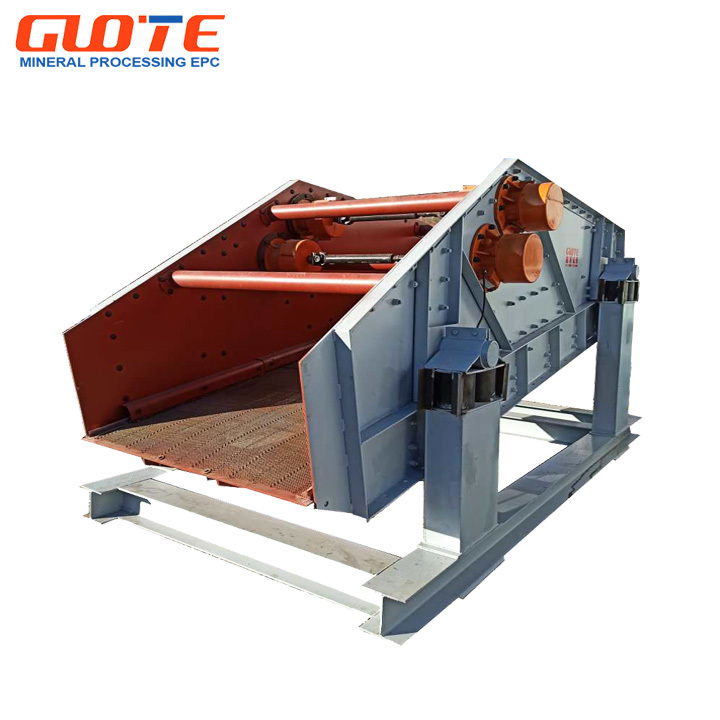
Dewatering screen
Related Products

Related News