

Understanding Magnetic Separators: Essential Tools for Efficient Material Processing
Magnetic separators are devices designed to separate magnetic materials from non-magnetic ones in a mixture. They are fundamental in industries that deal with bulk materials, where the removal of ferrous and non-ferrous metals is vital for product purity and equipment protection. The separation process involves utilizing magnetic fields to attract and hold magnetic particles, effectively separating them from the non-magnetic substance.
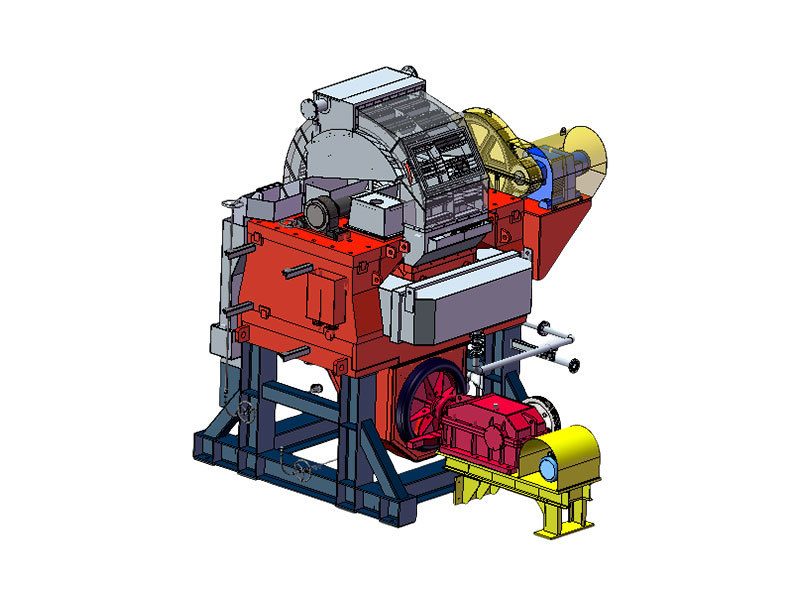
One of the primary mechanisms of magnetic separators is the use of a magnetic field generated by permanent magnets or electromagnets. The strength and configuration of the magnetic field can be adjusted according to the needs of the application. For instance, in areas where fine particles are present, high-intensity magnetic separators with strong magnetic fields are employed to ensure effective separation.
In the manufacturing sector, magnetic separators are frequently used in various processes, including recycling, mining, food processing, and chemical production. In the recycling industry, they help recover valuable metals from waste, significantly contributing to sustainability efforts. In mining, they are used to separate iron ore from waste rock, improving the overall efficiency of material recovery. Furthermore, in food processing, magnetic separators ensure that products are free from metal contaminants, thus maintaining safety and quality standards.
The benefits of using magnetic separators extend beyond simple separation; they also enhance operational efficiency and reduce equipment wear. By removing metal contaminants from raw materials, manufacturers can prevent damage to crushing and grinding equipment, leading to lower maintenance costs and increased production uptime. Additionally, ensuring product purity through the use of magnetic separators can improve customer satisfaction and brand reputation.
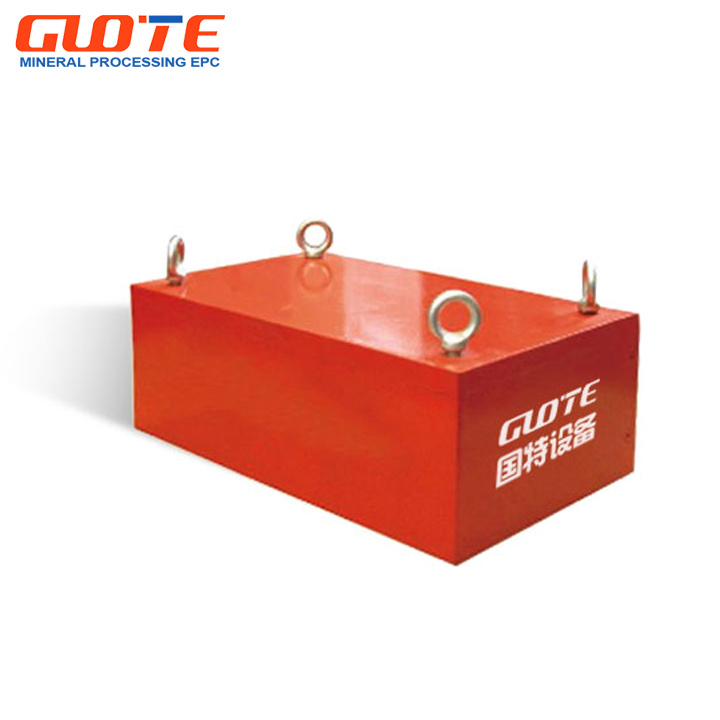
Different types of magnetic separators are available, each designed for specific applications. Some common types include drum separators, overband separators, and magnetic filters. Drum separators are often used for bulk processing, while overband separators are ideal for mobile applications and conveyor systems. Magnetic filters are typically utilized in the food and chemical industries to ensure product safety and compliance with regulations.
In conclusion, magnetic separators are indispensable tools in the manufacturing and processing landscape. Their ability to enhance material purity, protect equipment, and boost operational efficiency makes them a preferred choice across various industries. Understanding the different types and applications of magnetic separators can help businesses leverage their benefits effectively, leading to improved productivity and sustainability in their operations.
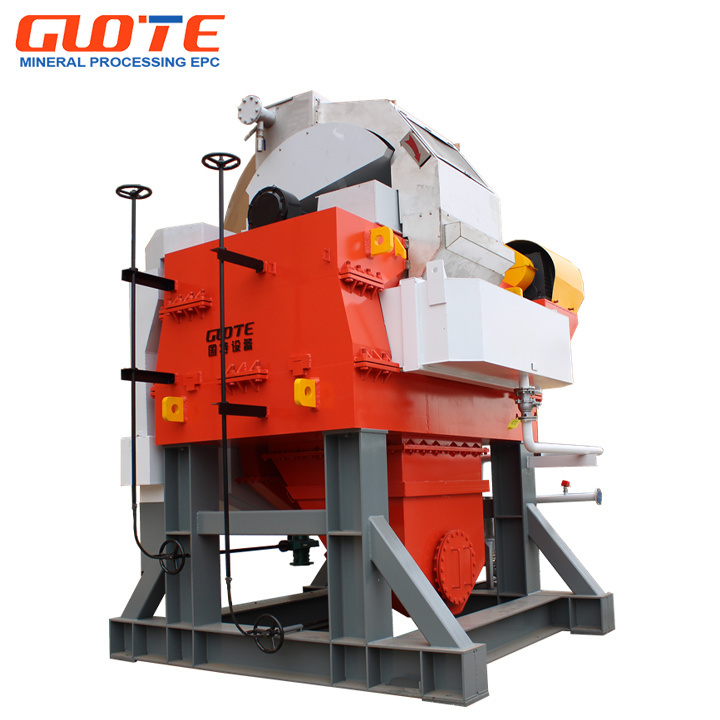
Magnetic separator
Related Products

Related News