

Essential Insights on Iron Ore Processing Lines for Efficient Manufacturing
Iron ore processing lines are crucial systems in the manufacturing and processing machinery sector, responsible for transforming raw iron ore into usable materials. Understanding the components and workflow of these lines can significantly enhance efficiency and productivity in operations.
At the heart of an iron ore processing line is the crushing and grinding stage. Initially, the raw iron ore is crushed to reduce its size, making it easier to handle and process. This is followed by grinding, where the crushed ore is finely ground to liberate valuable iron minerals from the waste rock. The efficiency of these initial steps is paramount, as it sets the stage for subsequent processing.
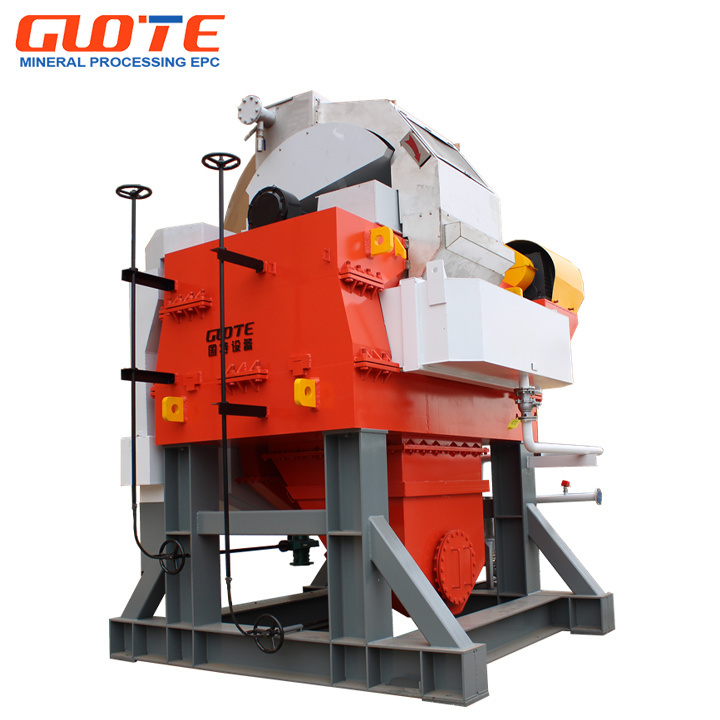
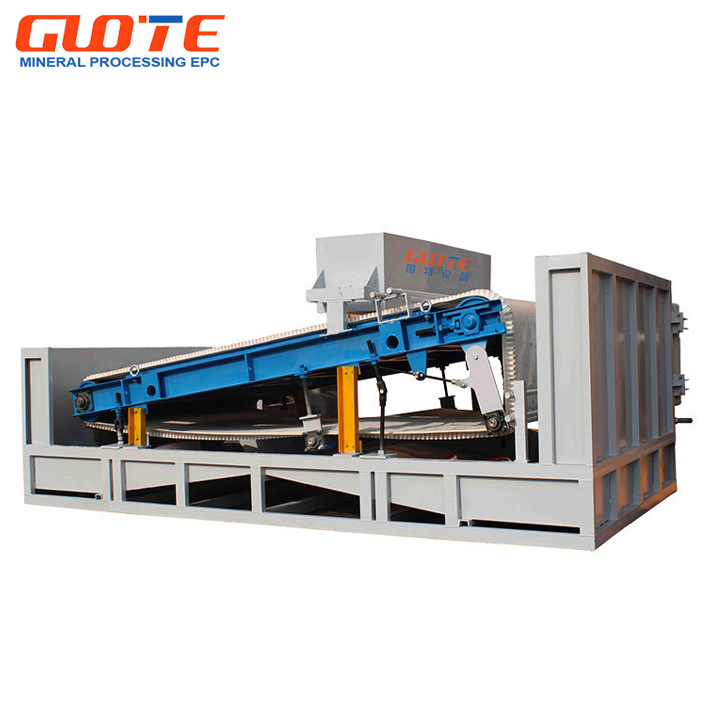
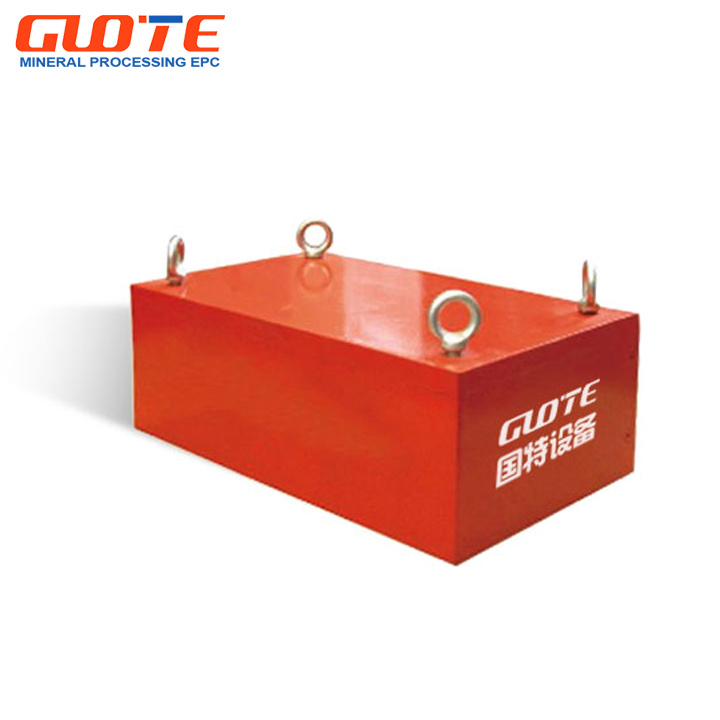
Following size reduction, the ore undergoes concentration processes. Magnetic separation and flotation are two common methods employed to separate iron minerals from impurities. Magnetic separation uses magnets to attract magnetic iron minerals, while flotation involves the introduction of chemicals that selectively bind to iron particles, allowing them to be separated from waste. Understanding the specifics of these methods can lead to improved recovery rates and higher-quality iron products.
After concentration, the processed iron typically undergoes pelletizing or sintering. Pelletizing involves agglomerating the iron ore fines into pellets that are easier to handle and transport, while sintering is a process where fine particles are heated to form a solid mass. Both methods enhance the physical properties of the iron ore, making it suitable for various industrial applications.
Another vital aspect of an iron ore processing line is the importance of equipment maintenance and optimization. Regular maintenance of crushers, grinders, separators, and pelletizers ensures smooth operations and minimizes downtime. Moreover, adopting advanced technologies, such as automation and real-time monitoring systems, can further enhance efficiency and reduce operational costs.
Environmental considerations are also increasingly important in iron ore processing. Implementing dust suppression systems, waste management strategies, and energy-efficient technologies can help minimize the environmental impact of processing operations. This not only aligns with regulatory requirements but also meets the growing consumer demand for sustainable practices.
In conclusion, an iron ore processing line is a complex, integrated system that plays a pivotal role in metal production. A thorough understanding of the processes, equipment, and best practices involved can lead to significant improvements in operational efficiency, product quality, and sustainability. As the industry evolves, continuous innovation and adaptation will be essential in optimizing these processing lines for future challenges and opportunities.
Iron ore processing line
Related Products

Related News