

Maximizing Efficiency in Quartz Powder Production Lines
Quartz powder production lines play a crucial role in the manufacturing processes of various industries, including ceramics, glass, electronics, and other applications where high-purity quartz is needed. Understanding the components and operation of a quartz powder production line is essential for manufacturers aiming to optimize their output and ensure product quality.
At the heart of a quartz powder production line is the crushing and grinding system. This stage begins with the extraction of raw quartz, which is then crushed into smaller pieces. Various types of crushers can be employed, such as jaw crushers and impact crushers, depending on the desired granularity. The choice of equipment should consider factors like energy efficiency and maintenance requirements to ensure smooth operations.
Once the quartz is crushed, it is further processed through grinding machines. Ball mills and jet mills are commonly used to achieve the fine powder consistency required for many applications. The grinding process not only reduces particle size but also helps in achieving a uniform distribution of the quartz powder. Selecting the right grinding equipment is vital as it directly impacts the quality and purity of the final product.
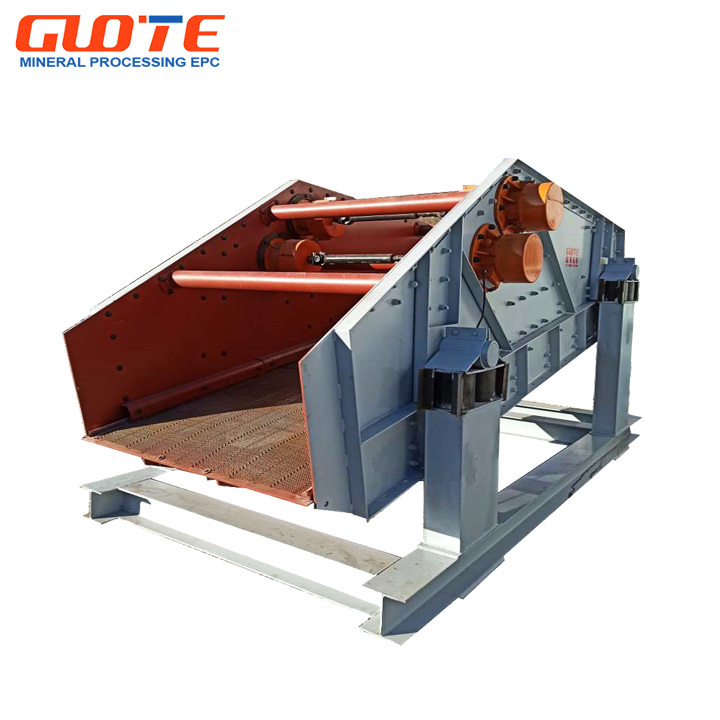
Another critical aspect of a quartz powder production line is the classification of materials. After grinding, the powder must be classified based on particle size. Air classifiers and sieve separators are commonly used for this purpose. Accurate classification is essential to meet the specific requirements of different industries, as varying applications may demand different particle size distributions.
Quality control is an indispensable component of any quartz powder production line. Regular testing and monitoring of the powder’s purity, particle size, and other properties ensure adherence to industry standards. Implementing quality management systems can significantly minimize the risks of producing substandard products, thereby enhancing customer satisfaction.
Furthermore, automation plays a pivotal role in modern quartz powder production lines. Integrating automated systems can improve efficiency, reduce labor costs, and ensure consistency in production. Utilizing advanced technologies such as real-time monitoring and data analysis can also aid in identifying areas for improvement within the production process.
In conclusion, a well-designed quartz powder production line encompasses various processes, including crushing, grinding, classification, and quality control. Understanding these elements can help manufacturers optimize their operations, produce high-quality quartz powder, and ultimately meet the diverse needs of their customers effectively. Investing in the right equipment and technology is essential to achieving these goals and staying competitive in the manufacturing landscape.
At the heart of a quartz powder production line is the crushing and grinding system. This stage begins with the extraction of raw quartz, which is then crushed into smaller pieces. Various types of crushers can be employed, such as jaw crushers and impact crushers, depending on the desired granularity. The choice of equipment should consider factors like energy efficiency and maintenance requirements to ensure smooth operations.
Once the quartz is crushed, it is further processed through grinding machines. Ball mills and jet mills are commonly used to achieve the fine powder consistency required for many applications. The grinding process not only reduces particle size but also helps in achieving a uniform distribution of the quartz powder. Selecting the right grinding equipment is vital as it directly impacts the quality and purity of the final product.
Another critical aspect of a quartz powder production line is the classification of materials. After grinding, the powder must be classified based on particle size. Air classifiers and sieve separators are commonly used for this purpose. Accurate classification is essential to meet the specific requirements of different industries, as varying applications may demand different particle size distributions.
Quality control is an indispensable component of any quartz powder production line. Regular testing and monitoring of the powder’s purity, particle size, and other properties ensure adherence to industry standards. Implementing quality management systems can significantly minimize the risks of producing substandard products, thereby enhancing customer satisfaction.
Furthermore, automation plays a pivotal role in modern quartz powder production lines. Integrating automated systems can improve efficiency, reduce labor costs, and ensure consistency in production. Utilizing advanced technologies such as real-time monitoring and data analysis can also aid in identifying areas for improvement within the production process.
In conclusion, a well-designed quartz powder production line encompasses various processes, including crushing, grinding, classification, and quality control. Understanding these elements can help manufacturers optimize their operations, produce high-quality quartz powder, and ultimately meet the diverse needs of their customers effectively. Investing in the right equipment and technology is essential to achieving these goals and staying competitive in the manufacturing landscape.
Quartz powder production line
Related Products

Related News