

How Dry Type Quartz Slab Sand Making Lines Revolutionize Manufacturing
How Dry Type Quartz Slab Sand Making Lines Revolutionize Manufacturing
Manufacturing has undergone significant transformations over the past decades. One of the most noteworthy advancements is the integration of **dry type quartz slab sand making lines**. These systems are not only changing how slabs are produced but also enhancing efficiency, reducing waste, and improving product quality. This article delves into these revolutionary lines, examining their components, benefits, and the future they promise for the manufacturing sector.
Table of Contents
1. Introduction to Dry Type Quartz Slab Sand Making Lines
2. Understanding Quartz as a Raw Material
3. Components of a Dry Type Quartz Slab Sand Making Line
3.1 Feeding Systems
3.2 Crushing Machines
3.3 Screening Equipment
3.4 Mixing Units
3.5 Pressing Machines
4. Advantages of Dry Type Quartz Slab Sand Making Lines
4.1 Improved Efficiency and Productivity
4.2 Environmental Benefits
4.3 Cost-Effectiveness
4.4 Enhanced Product Quality
5. Applications of Quartz Slabs in Various Industries
6. Comparison: Dry vs. Wet Quartz Sand Processing
7. The Future of Quartz Slab Manufacturing
8. Frequently Asked Questions (FAQs)
9. Conclusion
1. Introduction to Dry Type Quartz Slab Sand Making Lines
The introduction of dry type quartz slab sand making lines represents a significant shift in the manufacturing landscape. Unlike traditional methods that often utilize water, these systems employ a **dry processing technique**, significantly reducing water usage and waste. This innovation not only meets environmental regulations but also addresses the growing demand for sustainable manufacturing practices.
2. Understanding Quartz as a Raw Material
Quartz is a naturally occurring mineral composed of silicon dioxide (SiO2). Its abundance, durability, and aesthetic qualities make it a highly sought-after material in various industries, including construction, electronics, and surfacing. **Quartz slabs** are utilized in countertops, flooring, and decorative elements due to their strength and versatility. Understanding the properties of quartz is essential for appreciating its role in manufacturing and how dry type processing enhances its utility.
3. Components of a Dry Type Quartz Slab Sand Making Line
To gain a comprehensive understanding of dry type quartz slab sand making lines, it is crucial to explore their main components. Each part plays a vital role in ensuring the efficient production of high-quality quartz slabs.
3.1 Feeding Systems
Feeding systems are the first step in the process, responsible for delivering raw quartz material to the crushing machines. Typically designed for optimal flow and minimal spillage, these systems are engineered for reliability and precision.
3.2 Crushing Machines
Crushing machines are essential for breaking down large quartz rocks into smaller pieces. Utilizing **high-efficiency crushing technology**, these machines ensure that the raw material is reduced to the desired size while preserving its quality.
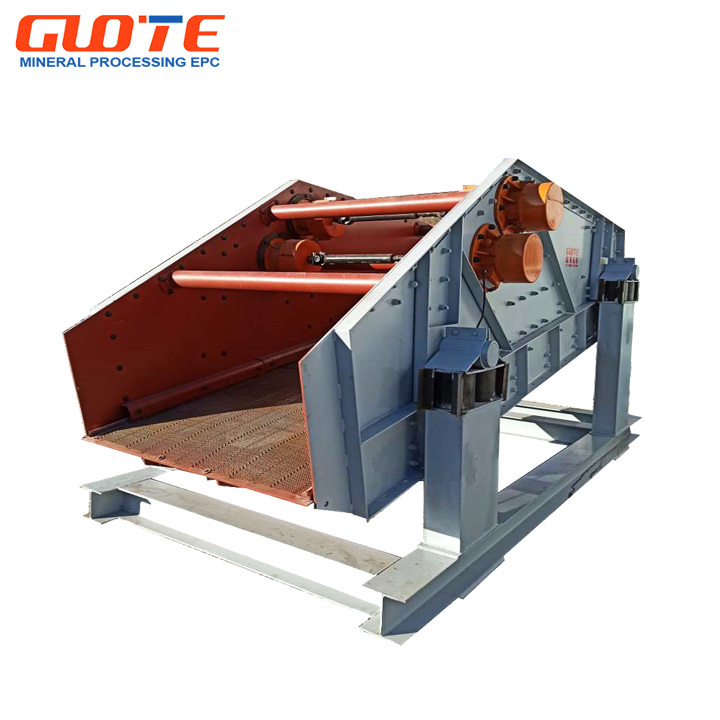
3.3 Screening Equipment
Once crushed, the material must be screened to separate it based on size. Screening equipment efficiently sorts the quartz into different grades, enabling manufacturers to select the best quality for slab production.
3.4 Mixing Units
Mixing units blend the crushed quartz with resins and pigments, creating a uniform mixture that can be molded into slabs. The precision offered by modern mixing units ensures consistent quality in the final product.
3.5 Pressing Machines
Pressing machines play a critical role in shaping the quartz mixture into slabs. Utilizing high pressure, these machines compact the mixture, ensuring density and durability.
4. Advantages of Dry Type Quartz Slab Sand Making Lines
The benefits of dry type quartz slab sand making lines extend beyond mere production efficiency. Here are some of the significant advantages:
4.1 Improved Efficiency and Productivity
Dry processing allows manufacturers to streamline operations. The elimination of water from the equation speeds up the production process, reducing cycle times and improving overall productivity.
4.2 Environmental Benefits
In an era where sustainable practices are paramount, dry type systems stand out by significantly lowering water consumption. This reduction not only conserves water resources but also minimizes wastewater treatment requirements.
4.3 Cost-Effectiveness
By reducing water usage and associated costs, dry type quartz slab sand making lines prove to be highly **cost-effective**. They also minimize the need for extensive infrastructure, further driving down operational expenses.
4.4 Enhanced Product Quality
The precision of dry processing often results in superior slab quality. With less risk of contamination from water, manufacturers can produce quartz slabs that meet high aesthetic and functional standards.
5. Applications of Quartz Slabs in Various Industries
Quartz slabs produced via dry type sand making lines have found a plethora of applications across industries. From residential kitchens to commercial spaces, quartz surfaces are favored for their durability and beauty. Industries leveraging quartz slabs include:
- **Construction**: Used in countertops, flooring, and wall cladding.
- **Interior Design**: Popular for furniture and decor.
- **Industrial Applications**: Employed in environments requiring high abrasion resistance.
6. Comparison: Dry vs. Wet Quartz Sand Processing
Understanding the distinctions between dry and wet quartz sand processing can further illuminate the advantages of the former.
- **Water Usage**: Dry processes eliminate the need for water, resulting in lower operational costs and environmental impact.
- **Production Speed**: Dry processing typically allows for faster production cycles compared to wet methods.
- **Quality Control**: Dry systems enhance control over the final product's quality, reducing the likelihood of defects attributed to water content.
7. The Future of Quartz Slab Manufacturing
The future of quartz slab manufacturing looks promising, with advancements in technology and a growing focus on sustainability. As industries continue to embrace dry type quartz slab sand making lines, we can expect innovations that further improve efficiency and product quality. The shift towards smart manufacturing technologies, including automation and data analytics, will also play a pivotal role in shaping the manufacturing landscape.
8. Frequently Asked Questions (FAQs)
What is a dry type quartz slab sand making line?
A dry type quartz slab sand making line is a manufacturing system that produces quartz slabs without using water, employing advanced technologies to ensure efficiency and quality.
What are the benefits of using quartz slabs?
Quartz slabs are durable, aesthetically pleasing, and easy to maintain, making them suitable for a variety of applications in construction and design.
How does dry processing impact environmental sustainability?
Dry processing significantly reduces water consumption and minimizes wastewater output, contributing to more sustainable manufacturing practices.
Can dry type quartz slab sand making lines produce high-quality slabs?
Yes, dry processes often result in superior quality slabs due to better control over material properties and reduced contamination risks.
What industries benefit from quartz slabs?
Industries such as construction, interior design, and industrial applications benefit from quartz slabs due to their durability and versatility.
9. Conclusion
In conclusion, dry type quartz slab sand making lines are revolutionizing the manufacturing landscape by offering enhanced efficiency, sustainability, and product quality. As industries continue to adopt these innovative systems, the benefits will extend beyond mere production metrics, promoting a more sustainable and responsible manufacturing paradigm. Embracing this technology is not just a trend but a vital step towards a better, more efficient future in the manufacturing sector.
Dry type quartz slab sand making line
Previous Page
Previous Page
Related Products

Related News